
Weddings are once-in-a-lifetime events that couples and their friends and families look forward to celebrating. But weddings are just weddings if you look at it bluntly; it’s a church event followed by a reception, and that’s that! But should it be?
Filipino weddings aren’t so cut and dry. There’s a lot of things that go into a bonafide kabayan wedding. There are a lot of things that give flavor to a Filipino wedding—from sticky sweets to spicy superstitious beliefs, let’s look at the most popularly observed Filipino wedding traditions.
Pamamanhikan
Filipinos are all about family, so much so that even courtship and dating has to go through meeting family members. Bringing a boyfriend or girlfriend to meet the family is a milestone in a blooming relationship; the to-be-married upgrade of such a practice is called pamamanhikan.
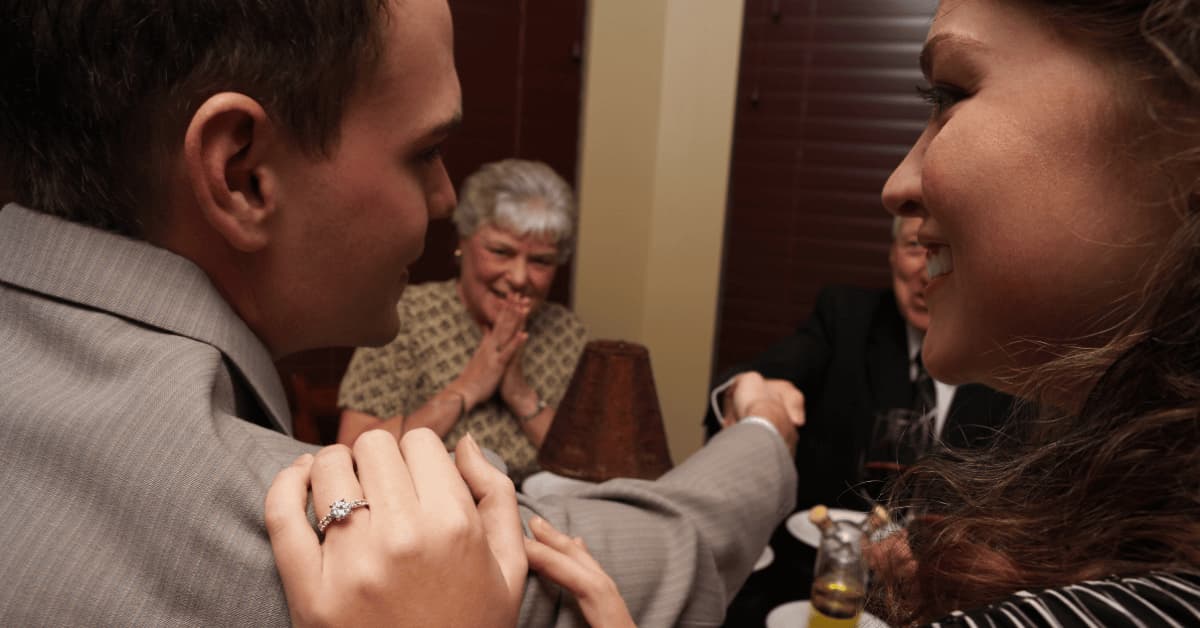
Pamamanhikan comes from panik which is a tagalog word for climb or ascend. During the Spanish occupation era, houses commonly had the living area on a higher floor which is why the groom goes up to the house with his family to meet the bride and her family.
This tradition was also previously done at the bride-to-be’s home but nowadays, both families meet up at restaurants or on vacation. We’ve had our share of big families spending pamamanhikan vacations here at Hillcreek Gardens Tagaytay and breaking bread at The Blue Room Dining.
Ninongs & Ninangs
On the topic of family, it’s also important that the couple have extended family they can rely on. The tradition of having ninongs and ninangs (godparents) are observed popularly with the Christening of Catholic kids. The intention is for the parents to choose godparents (usually people who are closest to them like a best friend or a sibling) who will help raise the kid especially in the event when the parents might no longer be capable any more. Being a godparent is symbolically a big deal.
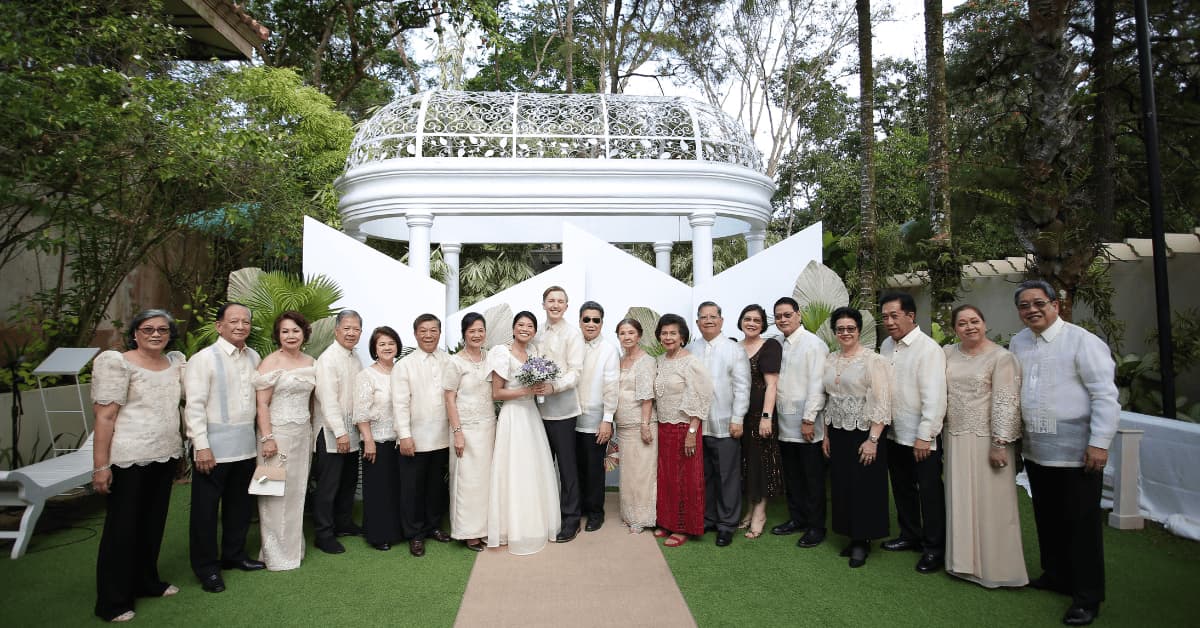
For marriages, ninongs and ninangs are usually people who are supposed to guide the couple in their new life as married individuals. While anyone can be requested to become a ninong/ninang sa kasal, it’s most commonly delegated to old, preferably married adults, who can help the newlyweds navigate their married life.
Arrhae, Yugal, Veil, Unity Candle
As a culture that’s emphatic on beliefs, meanings, and traditions, we can see this emphasis in how we make celebrations, like a church wedding, be Filipinized. Filipino church weddings are the same as any Catholic wedding but it has added symbolic practices in the form of the offering of the arrhae, the covering of the veil and yugal, and the lighting of the unity candle.
- The arrhae (las aras in Spanish) is a set of 13 coins that are supposed to symbolize Jesus and the 12 apostles. It is ceremonially held by the grooms and handed to the bride. It symbolizes the promise of providing financial stability for the family.
- The veil and yugal are ceremonially put over the couple during the wedding. The veil is put on the couple to signify being together under one cover (sometimes alluded to as sharing a home), and the yugal or chord is placed above the veil on an infinity (∞) pattern as a reminder that they will share a married life forever.
- The unity candle is lit to symbolize the light of the church guiding the relationship. The couple ceremonially lights one candle each from a single unity candle and then share this light to their family members, ninongs and ninangs, and entourage.
Lechon & Malagkit
During the reception, it’s typical for the buffet spread to be different for different weddings. Some might want an international food selection while others might opt for local gourmet. However, regardless of the buffet’s theme, it’s likely that there would be a lechon among the main course and a sort of malagkit (sticky rice cakes) among the desserts.
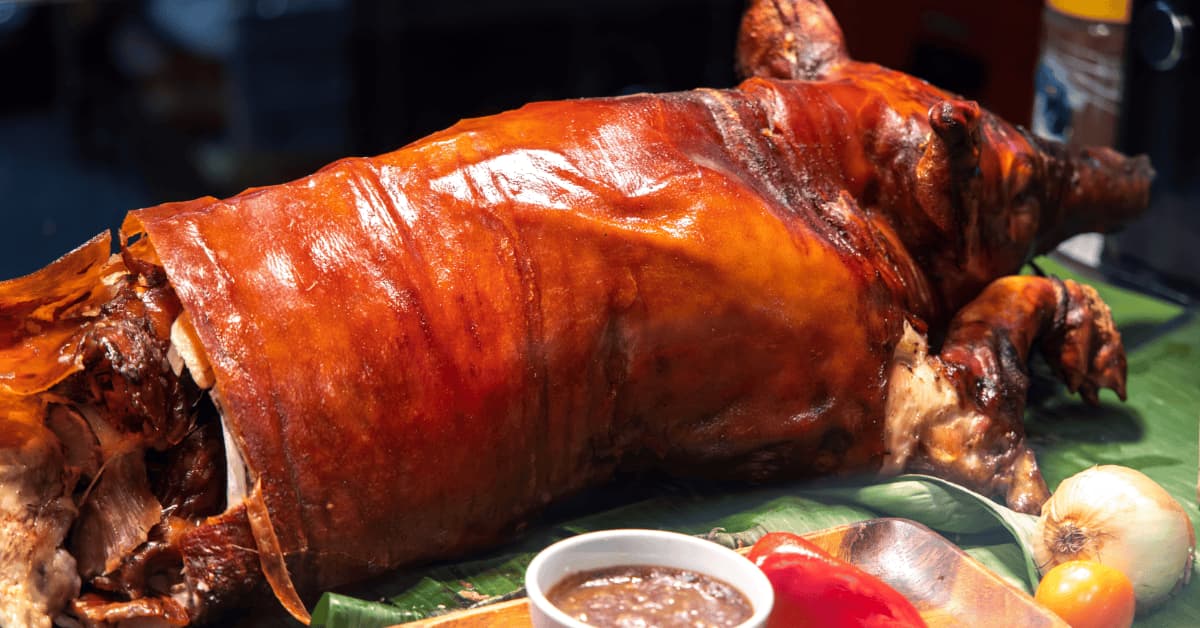
When it comes to bounty, nothing quite matches lechon. In older days, lechon was a dish that needed the support of the village to pull off catching and butchering the pig, stocking the fire for hours on end and turning the spit roasting pig non-stop. It’s a Filipino symbol of both unity and abundance.
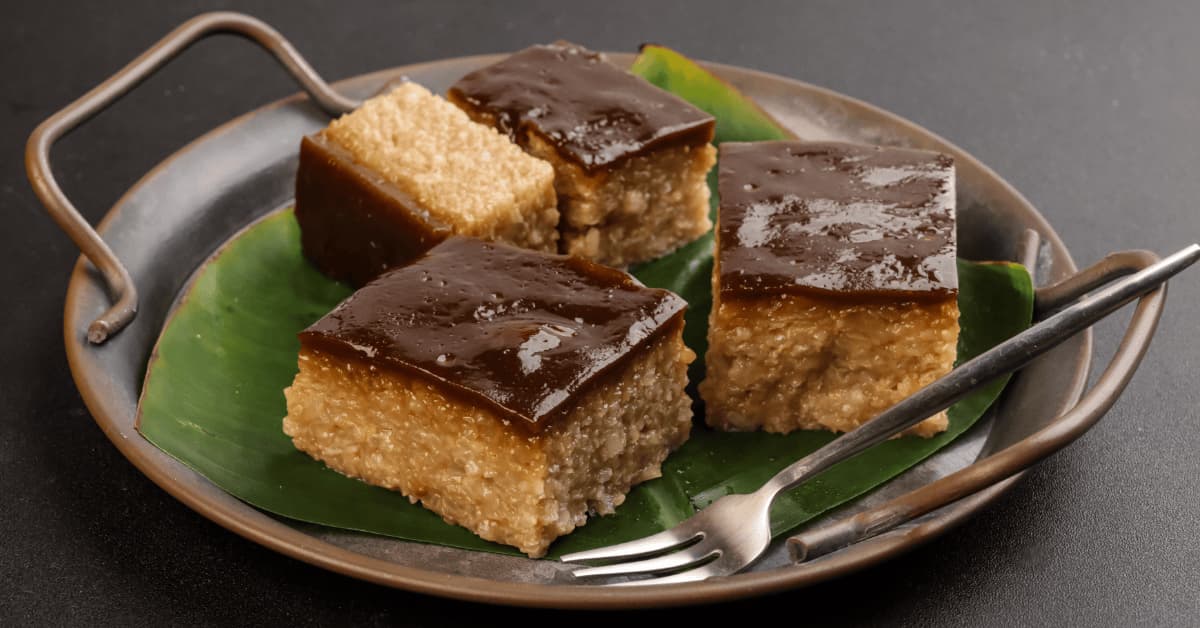
In the same way, sticky rice (malagkit) desserts like biko, kalamay, suman, and kutsinta are served to symbolize a sweet married life where the couple sticks together in a malagkit na pagiibigan.
At Hillcreek Garden’s The Blue Room, you can make modifications to your reception menu (sitdown or buffet) to have these traditional treats included.
Money Dance
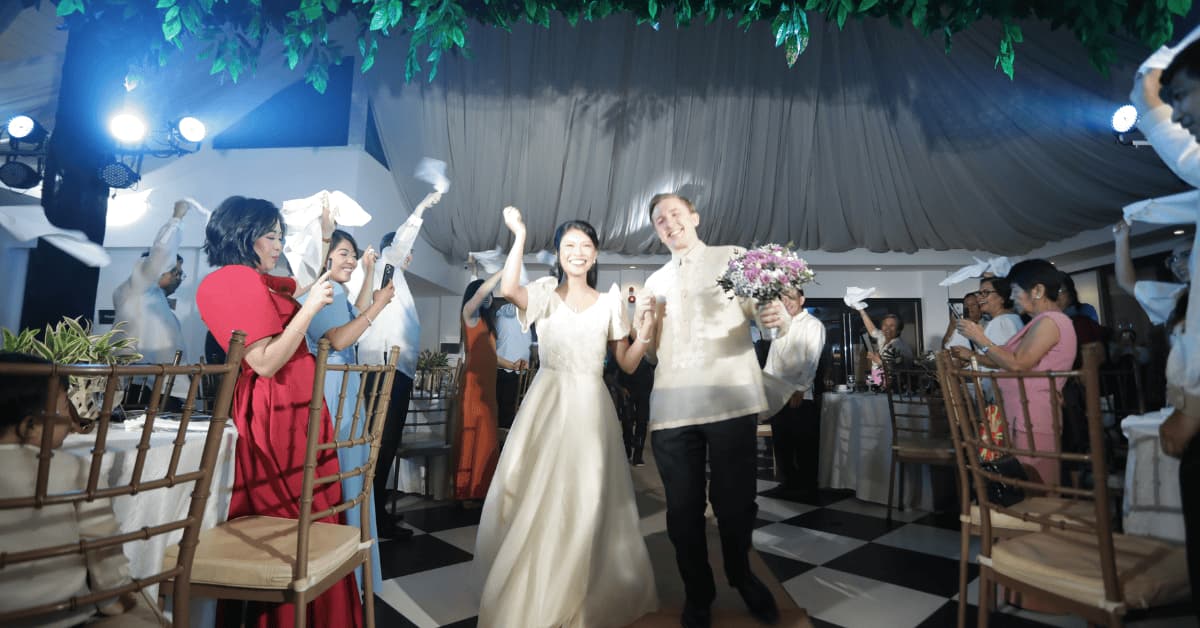
Another auspicious part of the wedding is the money dance. It’s usually adjacent to the couple’s romantic first dance. The money dance involves people pinning money bills to the dresses of the groom and bride while they share a dance. It’s a fun way for guests to share their blessings to the newlyweds.
Bonus: Sukob
There’s also a superstitious belief in the Philippines that siblings can’t marry within the same year. The same restriction is also observed for when death or a similar tragedy happens in the same year. This superstition is called sukob. The belief goes that marrying in the same year that a sibling has, or the same year that a death in the family has occurred brings bad luck to a marriage. It’s so popular, it even has a movie made after the concept.
While some beliefs are sweeter than others, these traditions add more flavor and festivity to Filipino weddings. Sure, anyone can still opt to have a more western wedding but we all know that nothing beats how audacious Filipino celebrations can get.